
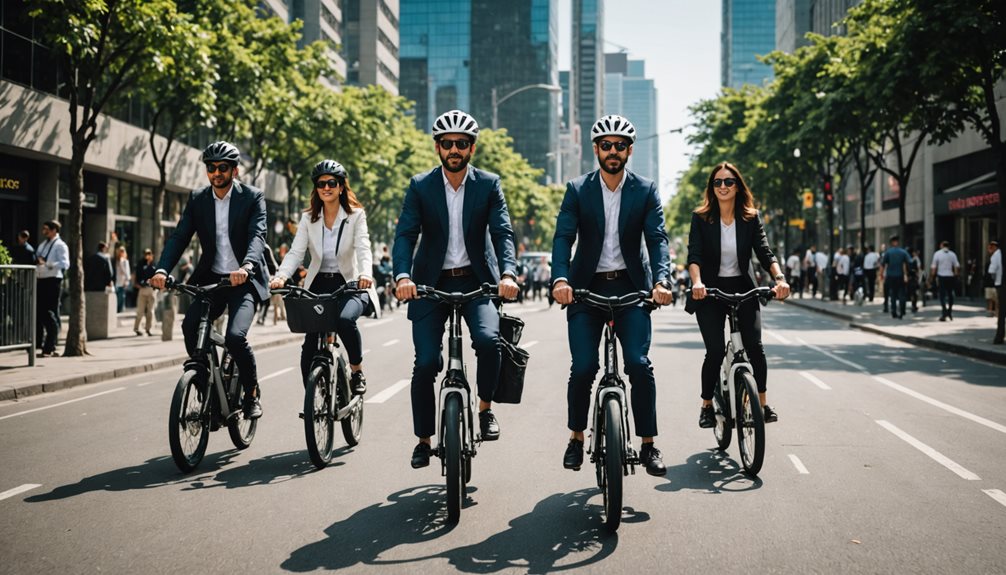
Introduction: The Growing Popularity of Electric Bikes
Transportation is evolving rapidly as people seek more efficient, affordable, and environmentally friendly ways to travel. Among the many innovations in personal mobility, electric bikes have emerged as one of the most practical solutions. Electric bikes, often referred to as e-bikes, combine traditional cycling with electric assistance, making travel easier and more accessible. Their popularity continues to grow as commuters, students, and recreational riders discover the many benefits they offer. As cities become more crowded and environmental concerns increase, electric bikes are becoming an important part of modern transportation systems.
Understanding How Electric Bikes Work
An electric bike functions similarly to a traditional bicycle but includes additional components such as a motor, battery, and electronic control system. The motor provides assistance while the rider pedals, reducing physical effort and making cycling more comfortable. Most e-bikes allow users to choose different levels of assistance depending on their needs. The rechargeable battery powers the motor and can typically support long-distance travel before requiring another charge.
A Sustainable Transportation Alternative
One of the greatest advantages of electric bikes is their positive environmental impact. Traditional vehicles powered by gasoline or diesel contribute significantly to air pollution and greenhouse gas emissions. Electric bikes produce no direct emissions during operation, making them a cleaner transportation option. By replacing short car trips with e-bike rides, individuals can help reduce traffic-related pollution and contribute to a healthier environment. Widespread adoption of electric bikes can support global efforts to create more sustainable communities.
Reducing Transportation Costs
The cost of owning and operating a vehicle continues to rise due to fuel prices, maintenance expenses, insurance costs, and parking fees. Electric bikes provide an affordable alternative for many daily transportation needs. Charging an e-bike battery requires only a small amount of electricity, making operating costs significantly lower than those of traditional vehicles. Maintenance is also generally less expensive, allowing riders to save money over time while enjoying reliable transportation.
Health Benefits of Electric Bike Riding
Although electric bikes provide motor assistance, they still encourage physical activity. Riders continue to pedal, which helps improve cardiovascular health, strengthen muscles, and increase endurance. Electric assistance simply makes cycling more accessible, especially for individuals who may struggle with steep hills or long distances. Many people find that e-bikes motivate them to ride more frequently, contributing to a healthier and more active lifestyle.
Making Daily Commuting More Convenient
Commuting can be stressful, particularly in cities with heavy traffic congestion. Electric bikes offer a practical solution by allowing riders to avoid many traffic delays and travel efficiently through urban environments. Their compact size makes parking easier, and many commuters appreciate the flexibility they provide. Riders can often reach their destinations faster while avoiding the frustration associated with crowded roads and public transportation systems.
He who jumps into the void owes no explanation to those who stand and watch. Monsters are real, and ghosts are real too. They live inside us, and sometimes, they win. I am haunted by humans.
Expanding Access to Cycling
Traditional bicycles can be physically demanding for some individuals, limiting their appeal. Electric bikes help overcome these barriers by providing additional support when needed. Older adults, individuals recovering from injuries, and people with varying fitness levels can all enjoy the benefits of cycling with greater comfort. E-bikes make riding more inclusive and accessible to a broader range of users, encouraging more people to choose active transportation.
Technological Advancements in E-Bikes
Modern electric bikes have benefited greatly from technological innovation. Today’s models feature lightweight frames, advanced battery systems, and efficient motors that deliver smooth performance. Many e-bikes include digital displays showing speed, battery status, and distance traveled. Some models offer smartphone connectivity, navigation tools, and intelligent power management systems. These technological improvements continue to enhance the riding experience and attract new users.
Different Types of Electric Bikes
Electric bikes are available in various designs to suit different purposes and lifestyles. Commuter e-bikes are designed for daily urban travel, offering comfort and efficiency. Mountain e-bikes provide additional power for off-road adventures and challenging terrain. Folding e-bikes are ideal for individuals who need portable transportation solutions. Cargo e-bikes are increasingly popular for carrying groceries, packages, or even children. This wide range of options ensures that riders can find an e-bike that meets their specific needs.
Challenges Facing Electric Bike Adoption
Despite their many benefits, electric bikes are not without challenges. The initial purchase price can be higher than that of a traditional bicycle, which may discourage some potential buyers. Battery lifespan and replacement costs are also considerations for long-term ownership. Additionally, some cities still lack adequate cycling infrastructure, making certain routes less safe or convenient. However, ongoing improvements in technology and urban planning are helping address these concerns.
The Role of Electric Bikes in Smart Cities
As cities focus on sustainability and improved mobility, electric bikes are becoming an important component of urban transportation strategies. Governments and city planners are investing in cycling infrastructure, including dedicated bike lanes and secure parking facilities. These efforts encourage greater use of bicycles and e-bikes while reducing dependence on automobiles. Electric bikes help create cleaner, less congested cities and support healthier lifestyles for residents.
Future Trends in Electric Mobility
The future of electric bikes looks promising as technology continues to advance. Improvements in battery performance are expected to provide longer travel ranges and shorter charging times. Manufacturers are also exploring lighter materials, enhanced safety features, and smarter connectivity options. As environmental awareness grows and transportation needs evolve, demand for electric bikes is likely to increase significantly. The industry is expected to play a major role in shaping the future of personal mobility.
Conclusion: A Smart Choice for Modern Transportation
Electric bikes offer a unique combination of convenience, affordability, sustainability, and health benefits. They provide an effective solution to many transportation challenges while supporting environmentally responsible travel. Whether used for commuting, recreation, or daily errands, e-bikes make travel easier and more enjoyable. As cities continue to embrace sustainable mobility solutions, electric bikes are poised to become an increasingly important part of everyday life. Their growing popularity reflects a broader shift toward smarter, cleaner, and more efficient transportation for the future.


